

Anti-Static, Conductive Plastic, E.S.D. (Electro Static Discharge)
Conductive plastic and ESD (Electro Static Discharge) performance plastic materials are engineered plastics containing additives or fillers that impart various levels of electrical conductivity, making them essential for sensitive electronic and spark-sensitive applications. These materials prevent static charges in environments like hard drive fixtures and computer work surfaces. For instance, Conductive Plastic has a surface resistance of less than 1 x 10^5 ohms/square, while Dissipative Plastic ranges from 1 x 10^5 ohms/square to less than 1 x 10^11 ohms/square, offering static control without using metals.
Specify Anti-static, Conductive Plastic or E.S.D plastic material
Various plastics with additives or fillers to add levels of conductivity.These materials are frequently in sensitive electronic and spark sensitive applications such as hard drive and memory fixtures, computer work surfaces, part moving systems, and chemical storage areas. This material has an excellent range of machinable materials offering various levels of conductivity. From Anti-Static to fully conductive, they can eliminate the need for using metals in sensitive applications where any static is unacceptable.
- Good to Excellent Machining
- Low co-efficient of Friction with various levels of conductivity
- Dimensionally stable and anti-slough properties yield excellent performance
- Static – The curse of the electronics industry
- Wide range of materials and fillers (additives) produce limitless choices of end use properties
A wide variety of ESD, Conductive Plastic, and Static Dissipating materials are available. Due to the range of materials and conductivity levels, we request you contact us for your specific requirements.
Here are some common trade names for the ESD, Conductive and Static Control materials:
Tecaform SD, Hydel PE17, Hydel PC-P ESD, Hydel PC7, Tecapeek PVX, Sintimid ESD 23, Krefine ESD PEEK, Tempalux CN, PES CN, Pomalux CN, Pomalux SD, Semitron ESD 225, Semitron, Absylux SD, Absylux CN, Lennite CN, Tivar 1000 Antistatic, Zelux SD, Zelux CN, Kynar SD, Kynar CN, and many more.
Why you should use Conductive Plastic Materials:
- Static Removed from wearing areas
- ESD and/or Conductive Plastic Fixtures For Electronic Applications
- Static Discharge or Conductive Without Using Metals
- Fills of Carbon Fiber,Carbon Powder, Stainless Steel, and Non-Carbon based Homogeneous Materials
- Light Weight, Machinable and ESD In One Material
- ESD products are ITAR compliant, and ESD products are RoHS compliant
Applications – Conductive Plastic Frequently used in:
- Fixtures around sensitive electronic components
- Tooling for working on electric materials
- Protection and shipping of sensitive electronic components
Three common terms used to subdivide ESD with materials based on their surface resistance are:
- Anti-Static Plastic – pertaining to a material or procedure that disperses, or inhibits the accumulation of, static charges
- Conductive Plastic – surface resistance of less than 1 x 10 5 ohms/square
- Dissipative Plastic – surface resistance of more than 1 x 10 5 ohms/square but less than 1 x10 11 ohms/square.
Material Available As:
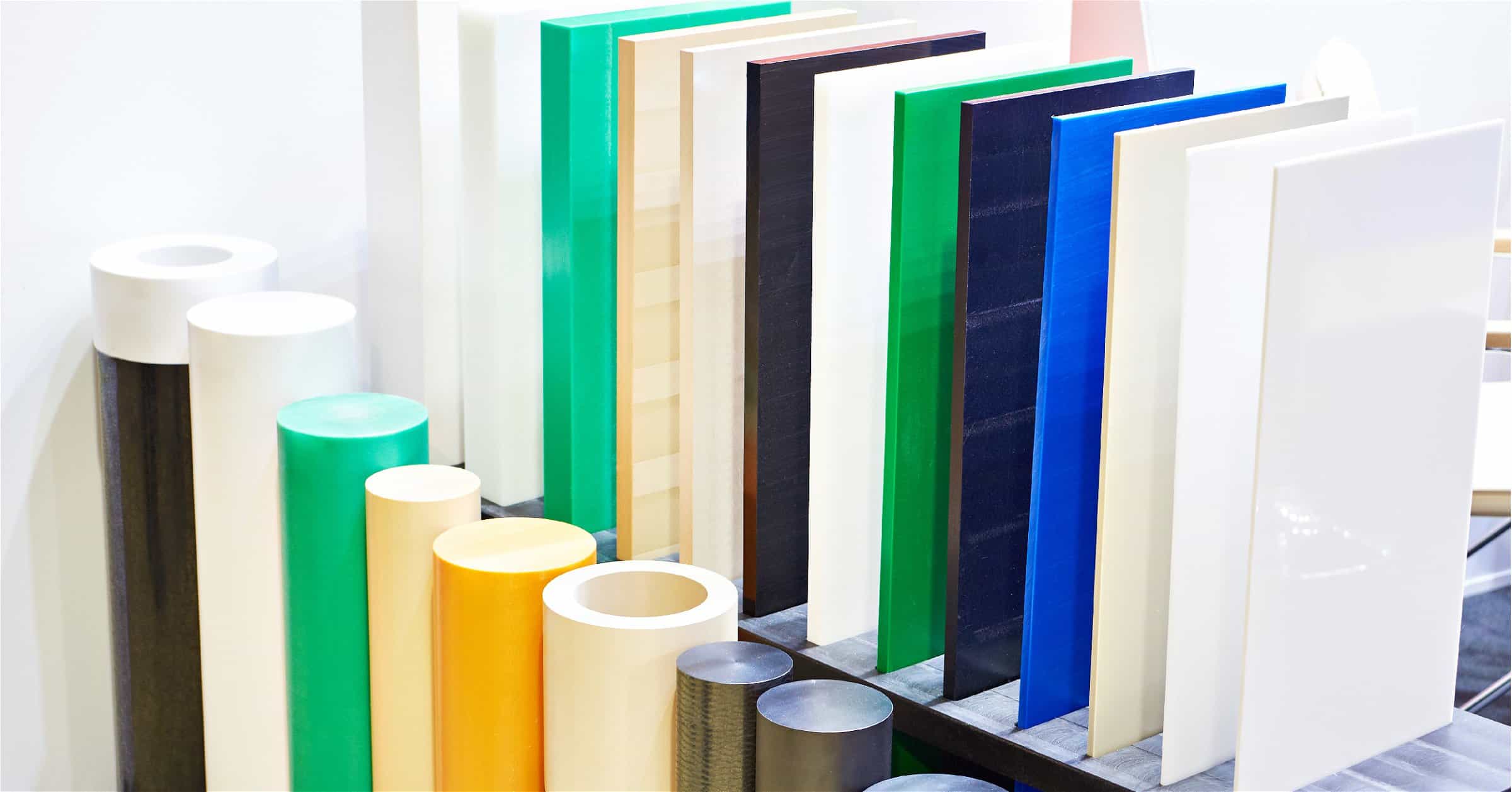
Sheet, Rod and Film:
Call for details on specific Materials or Applications Common Materials Available (many others available, please call)
| Material | Material |
|---|---|
| ABS- Carbon Fiber Filled | Polycarbonate- Stainless Steel Filled |
| ABS- Carbon Powder Filled | Polypropylene- Carbon Fiber Filled |
| ABS- Non-Carbon Fiber Filled | Polypropylene- Carbon Powder Filled |
| Acetal- Carbon Fiber Filled | Polypropylene- Non-Carbon Powder Filled |
| Acetal- Non-Carbon Fiber Filled | PVDF(Kynar)Carbon Fiber Filled |
| Acetal- Stainless Steel Filled | PVDF(Kynar)-Carbon Powder Filled |
| PES (Polyethersulfone)- Carbon Fiber Filled | UHMW- Carbon Powder Filled Polycarbonate |
| — | Ultem -Carbon Fiber Filled |
Typical Resin Properties of Conductive Plastic:
| Materials | Specific GravityD792 | Izod Impact – NotchedD256 | Tensile Elongation – %D256 | Surface Resistivity (ohms/sq)D257 |
| ABS – Carbon Fiber | 1.09 | 1.0 | 3.0 | 102 –106 |
| ABS – Carbon Powder | 1.13 | 1.6 | 10.0 | 102 –106 |
| ABS – Non – Carbon Alloy | 1.03 | 6.0 | 13.0 | 109 –1011 |
| Acetal – Carbon Fiber | 1.44 | 0.9 | 3.0 | 102 –106 |
| Acetal – Non – Carbon Alloy | 1.33 | 1.3 | 3.5 | 109 –1011 |
| Acetal – Stainless Steel | 1.50 | 0.7 | N/A | 102 –106 |
| PES – Carbon Fiber | 1.40 | 0.94 | 5.0 | 102 –106 |
| Polycarbonate – Carbon Fiber | 1.29 | 1.5 | 5.0 | 107 –1012 |
| Polycarbonate – Carbon Fiber (conductive) | 1.32 | 1.4 | 5.0 | 103 –106 |
| Polycarbonate – Stainless Steel (conductive) | 1.26 | 1.8 | 7.0 | 101 –105 |
| Polypropylene – Carbon Fiber | .95 | 1.0 | 5.0 | 102 –106 |
| Polypropylene – Carbon Powder | 1.00 | No Break | 25.0 | 102 –106 |
| Polypropylene – Non-Carbon Alloy | .94 | 1.4 | 200 | 109 –1011 |
Properties are for evaluation purposes only. This information is not to be construed as a warranty, guarantee or assurance that you may achieve the same results. Materials made from different resin types, manufacturing techniques and manufacturers will react differently. The information should be used to compare against other materials only, and each user should make his own tests to determine suitability. No warranty as to this materials suitability are either expressed nor implied.