
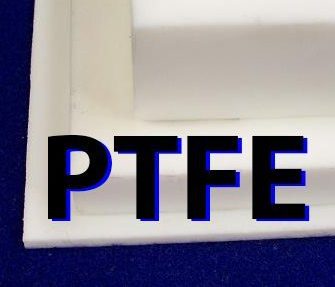
Why PTFE Sheet and PTFE Rod are growing
Polytetrafluoroethylene or as it’s better known ‘PTFE’ is a popular choice in hydraulics systems and components, being a non-stick surface and a highly durable material. However, since PTFE sheet and PTFE rod is made up of some of the strongest bonds in organic chemistry, this type of plastic has many different uses across a variety of industries.
Hydraulic Components and Sealing
The most common use for PTFE is for parts used in seals, gaskets and steam valves that are used to handle caustic fluids. The durability of this plastic has made it popular for a variety of hydraulic fittings like these as well, especially seals used in steam and high temperature applications. The rating for continuous temperature is 500 degrees F, while maintaining physical properties. Virgin PTFE sheets and rods are also excellent materials for wear and slide machined parts found in pumps and manifolds, having a non-stick surface that won’t experience nearly as much wear and tear as other materials.
PTFE Sheet For Thermal Stability In Vehicle Engines
One of the major benefits of PTFE is its high thermal stability, which has made it popular for use in fuel hose linings, gaskets, seals, and other engine components. Its exceptionally long lifespan, high heat resistance and excellent water resistance makes PTFE an excellent choice for making parts such as wiper blades and other exterior components for vehicles.
High Resistance for Chemical Production and Processing
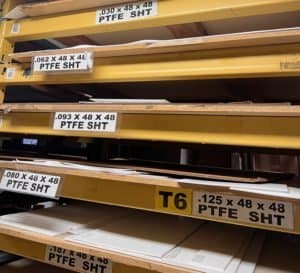
Virgin PTFE sheet in wide range of thickness
PTFE Sheet and PTFE Rods are highly durable and corrosion resistant material, and so it has become a popular choice of material for a variety of chemical processing applications. It does not melt or erode under the extreme conditions often found in chemical plants, and can is often used to make components that transport corrosive chemicals and other materials.
Excellent Protection for Electronics
Another industry that often takes advantage of PTFE main benefits is in the electronics manufacturing. PTFE is commonly used for insulation, semiconductor components, and circuit boards. It offers high quality insulation properties even under harsh conditions, and its electrical conductivity can be increased using fillers such as copper. PTFE has been successfully used in a wide range of different electronics components for many applications, from automobiles to aircraft, where the more delicate electronics components need to be able to survive high temperatures or highly corrosive environments.
Looking for a supplier of high quality PTFE Sheet or Rod?
Industrial Plastic Supply, Inc. has been a trusted, worldwide supplier of quality performance plastics, including PTFE, since 1975, and we have one of the largest inventories of American made plastic materials in the world. Check out our website to view our full product directory or to contact us with any questions you may have.
