skip to content
CALL (866) 832-9315
Request a Quote
What is the best plastic sheet for food processing equipment?

What is the best plastic sheet for food processing equipment?

HDPE – High Density Polyethylene

This is one of the most common questions we are asked. While there are many plastic sheet materials that can be used for food contact, one of the most economical and approved materials is FDA Approved HDPE (High Density Polyethylene).

High Density Polyethylene is a very popular and inexpensive performance plastic material. It is light weight, excellent for food contact, can be heat welded and is non-stick.

HDPE is a light weight – (Low Specific Gravity – Floats in Water) yet it is very stiff and strong. HDPE is a common material used in cutting boards, wear and abrasion resistant applications, excellent for chemical resistant applications, and can handle extreme low temperatures (gets brittle at -110° F).

HDPE sheet is easy to clean, is very durable and can not be chemically bonded, yet it can be heat welded or RF welded. This tough material is very impact resistant, and is stain, odor and moisture resistant.

HDPE is one of the most common food grade cutting surfaces. Light weight, low cost, wear resistant, easy to clean, durable and FDA – food grade approved. The most common color is natural, which is a non-pigmented milky white. Other colors are available with minimum orders.

There are 2 other Polyethylene products that are readily available: LDPE (Low Density Polyethylene) and UHMW-PE (Ultra High Molecular Weight Polyethylene). The LDPE is a softer and more flexible material than the HDPE and is commonly used for stiffeners in furniture, or sew-able applications.

Food Grade HDPE cut pieces

The UHMW is a unique material in that it looks and feels like the HDPE, but the molecular change is much longer and therefor is dramatically more wear resistant. UHMW is compression molded rather than extruded like HDPE. The molecular chain of UHMW doesn’t flow like HDPE, but rather needs heat and pressure to form sheets or rods. The process used to produce UHMW is generally ‘compression molding’. This is a much longer manufacturing process than the HDPE. Tremendous heat and pressure in a large compression molding press is required to make UHMW sheet.

Acetal/Delrin

Acetal Copolymer and Dupont Delrin (Homopolymer) are also excellent for food processing equipment applications. Both materials are available in Natural (white) or Black. Both materials are excellent choices, they are wear resistant,

American Made Performance Plastic Sheets

American Made Performance Plastic Sheets

American Made Performance Plastic Sheets

What Defines Performance Plastic Sheets Made in America

American-made performance plastic sheets represent the highest tier of engineered polymer materials manufactured domestically to exacting quality standards. These materials combine advanced polymer chemistry with precision manufacturing processes to deliver superior mechanical properties, chemical resistance, and dimensional stability compared to commodity plastics. Performance grades include FDA-compliant materials for food contact, high-temperature engineering polymers, and specialty formulations designed for demanding industrial applications.

The “American-made” designation carries specific manufacturing implications beyond simple country-of-origin labeling. Domestic production facilities must comply with stringent environmental regulations, workplace safety standards, and quality control protocols established by agencies like OSHA, EPA, and FDA. This regulatory framework ensures consistent material properties, batch-to-batch reliability, and full traceability throughout the supply chain—critical factors for industries where material failure carries significant safety or financial consequences.

Performance plastic sheets differ fundamentally from standard commodity plastics in their molecular structure and additive packages. Manufacturers engineer these materials with specific property enhancements: impact modifiers for toughness, UV stabilizers for outdoor durability, flame retardants for fire safety, or glass fiber reinforcement for structural strength. American suppliers like Industrial Plastic Supply specialize in sourcing these premium-grade materials from domestic manufacturers who maintain ISO-certified quality management systems.

Material Composition and Engineering Standards

Performance plastics undergo rigorous formulation development to meet industry-specific requirements. High-performance polymers like PEEK (polyetheretherketone), UHMW-PE (ultra-high molecular weight polyethylene), and PPS (polyphenylene sulfide) feature specialized molecular architectures that deliver exceptional wear resistance, chemical inertness, or thermal stability. American manufacturers produce these materials under controlled conditions that ensure precise molecular weight distribution and minimal contamination.

The manufacturing process for performance sheets involves extrusion or compression molding techniques that align polymer chains for optimal mechanical properties. Domestic facilities invest in advanced processing equipment capable of maintaining tight thickness tolerances (typically ±10% or better) and consistent surface finishes. This precision manufacturing enables predictable machining characteristics and reliable performance in critical applications.

Regulatory Compliance and Certification Requirements

FDA compliance represents a cornerstone requirement for performance plastics used in food processing, pharmaceutical manufacturing, and medical device production. According to 21 CFR 177.1520, American-made sheets certified for polyolefins undergo compositional testing to verify that all raw materials meet direct food contact standards. Domestic manufacturers maintain detailed documentation of resin sources, additive formulations, and processing conditions to support regulatory audits.

NSF/ANSI 51 certification provides additional validation for materials used in food equipment applications. This standard evaluates not only material composition but also surface finish requirements, cleanability, and resistance to bacterial harboring. American manufacturers who pursue NSF certification demonstrate commitment to the highest sanitation standards demanded by commercial food processing operations.

Traceability and Supply Chain Transparency

Domestic production enables complete supply chain visibility from raw resin procurement through final sheet production. American manufacturers maintain lot-specific documentation including melt flow index data, impact strength testing results, and certificates of compliance. This traceability proves essential when quality issues arise or when customers require material qualification documentation for their own regulatory submissions.

The shortened supply chain associated with American-made materials reduces lead times and eliminates the uncertainty inherent in international shipping. Domestic suppliers can typically fulfill orders within days rather than weeks, and customers avoid the customs delays, port congestion, and freight cost volatility that affect imported materials.

Core Material Types and Their Industrial Applications

UHMW Polyethylene for High-Wear Environments

Ultra-high molecular weight polyethylene sheets deliver exceptional abrasion resistance. According to research documented on Wikipedia, UHMW-PE is “highly resistant to abrasion, in some forms being 15 times more resistant to abrasion than carbon steel.” This performance stems from molecular weights exceeding 3 million g/mol, creating extremely long polymer chains that resist cutting and gouging. American manufacturers produce UHMW sheets in thicknesses from 1/4 inch to 4 inches, with virgin-grade material offering superior impact strength compared to reprocessed alternatives.

Industrial applications exploit UHMW’s unique property combination: low coefficient of friction (0.10-0.20), excellent chemical resistance across pH ranges, and impact strength retention down to cryogenic temperatures. Conveyor systems in bulk material handling facilities use UHMW liners to reduce friction and extend equipment life. Food processing plants install UHMW cutting boards and work surfaces that resist bacterial growth while withstanding repeated sanitization cycles.

The material’s self-lubricating properties eliminate the need for external lubricants in bearing and wear pad applications. Manufacturing facilities use UHMW guide rails, chain guides, and sliding components to reduce maintenance intervals and prevent contamination from grease or oil. This characteristic proves particularly valuable in food-grade and pharmaceutical environments where lubrication introduces contamination risks.

Polypropylene Sheets for Chemical Processing

Polypropylene offers outstanding chemical resistance to acids, bases, and organic solvents at temperatures up to 180°F. American-made polypropylene sheets are available in homopolymer and copolymer formulations, each optimized for specific performance requirements. Homopolymer grades provide maximum stiffness and strength, while copolymer versions deliver enhanced impact resistance at low temperatures.

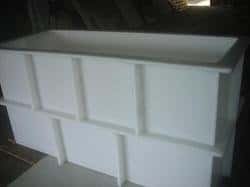
Chemical processing facilities fabricate polypropylene tanks, hoods, and ductwork for corrosive fume exhaust systems. The material resists attack from sulfuric acid, hydrochloric acid, sodium hydroxide, and most organic solvents, maintaining structural integrity where metals would corrode. Domestic manufacturers produce polypropylene sheets with flame-retardant additives for applications requiring enhanced fire performance.

Welding characteristics distinguish polypropylene from many other thermoplastics. Fabricators can create leak-tight joints using hot gas welding, extrusion welding, or heated tool welding techniques. This weldability enables construction of complex chemical containment systems, secondary containment basins, and process equipment housings from individual sheet components.

HDPE for Outdoor and Marine Applications

High-density polyethylene sheets combine excellent chemical resistance with superior UV stability and moisture resistance. American manufacturers incorporate UV stabilizer packages that enable outdoor service life exceeding 20 years without significant degradation. HDPE’s closed-cell structure prevents moisture absorption, eliminating the swelling and dimensional changes that affect other materials in humid environments.

Marine applications utilize HDPE for dock bumpers, boat fenders, and seawall protection due to the material’s impact resistance and immunity to saltwater corrosion. The material maintains flexibility at low temperatures while resisting cracking from repeated impacts. Coastal facilities and marinas install HDPE components knowing they will outlast treated wood, fiberglass, or metal alternatives.

Environmental containment systems rely on HDPE’s chemical resistance and weldability. Landfill operators install HDPE liner systems to prevent leachate migration. Industrial facilities construct secondary containment basins and chemical storage areas using welded HDPE sheet assemblies that provide reliable long-term containment.

Acrylic Sheets for Optical Clarity Applications

Cast acrylic sheets manufactured in America deliver optical clarity approaching glass (92% light transmission) with only half the weight and significantly greater impact resistance. The casting process produces sheets with superior surface quality and dimensional stability compared to extruded acrylic. Thicknesses range from 0.060 inches to 4 inches, with tight thickness tolerances enabling precision optical applications.

Architectural glazing applications exploit acrylic’s combination of clarity, weather resistance, and formability. Museums install acrylic display cases and protective barriers that provide UV filtering to protect sensitive artifacts while maintaining visual access. Aquariums construct massive viewing windows from thick-cast acrylic sheets that withstand tremendous hydrostatic pressures while providing distortion-free viewing.

The material’s thermoforming characteristics enable creation of complex three-dimensional shapes. Manufacturers heat acrylic sheets to forming temperature (290-320°F for extruded acrylic, 340-380°F for cast acrylic) and shape them over molds to create domes, enclosures, and protective covers. American-made acrylic maintains consistent forming properties due to strict quality control during polymerization.

Manufacturing Excellence and Quality Control Processes

Extrusion Technology for Consistent Properties

American sheet extrusion facilities employ advanced multi-zone temperature control systems that maintain precise melt temperatures throughout the die assembly. This temperature uniformity ensures consistent molecular orientation and minimizes internal stresses that could cause warping or dimensional instability. Modern extrusion lines incorporate automatic thickness gauging systems that provide real-time feedback to control systems, maintaining thickness tolerances within ±5% across sheet widths exceeding 8 feet.

The cooling process following extrusion critically affects final sheet properties. Controlled cooling rates prevent crystalline structure formation in amorphous polymers while promoting optimal crystallinity in semi-crystalline materials like HDPE and polypropylene. American manufacturers invest in precision cooling systems—typically consisting of multiple cooling rolls with independent temperature control—that produce sheets with uniform properties from edge to edge.

Co-extrusion technology enables production of multi-layer sheets with distinct surface and core properties. Manufacturers can produce sheets with wear-resistant surfaces bonded to impact-resistant cores, or create structures with barrier layers that prevent chemical permeation. This capability allows optimization of material properties while controlling costs by using premium materials only where needed.

Compression Molding for Premium Grades

High-performance polymers like PEEK, PVDF, and certain grades of UHMW require compression molding rather than extrusion. This process involves heating polymer powder or granules in a mold cavity under controlled pressure until complete fusion occurs. American manufacturers use hydraulic presses capable of applying hundreds of tons of pressure while maintaining precise temperature control throughout lengthy molding cycles.

Compression molding produces sheets with isotropic properties—meaning mechanical characteristics remain consistent regardless of testing direction. This uniformity proves critical in applications where loads may occur from unpredictable directions. The process also enables production of extremely thick sections (up to 6 inches) that would be impossible to extrude while maintaining property consistency.

Post-molding annealing cycles relieve residual stresses and optimize crystalline structure in semi-crystalline polymers. Manufacturers place molded sheets in temperature-controlled ovens where slow cooling rates allow molecular relaxation. This step prevents warping during subsequent machining operations and ensures dimensional stability throughout the material’s service life.

Quality Assurance Testing Protocols

American manufacturers implement comprehensive testing programs that verify mechanical properties, chemical composition, and dimensional accuracy. According to ASTM D638, tensile testing measures ultimate strength, elongation at break, and modulus of elasticity. Impact testing (ASTM D256) quantifies the material’s ability to absorb energy during sudden loading events. These tests occur at regular intervals during production runs, with results documented in batch-specific certificates of compliance.

Chemical composition analysis using techniques like Fourier-transform infrared spectroscopy (FTIR) verifies polymer identity and detects contamination. For FDA-compliant materials, manufacturers perform extractables testing that simulates food contact conditions and measures potential migration of additives or unreacted monomers. American facilities maintain calibrated testing equipment and participate in proficiency testing programs that validate measurement accuracy.

Dimensional inspection using precision measuring equipment confirms thickness uniformity, flatness, and squareness. Manufacturers measure thickness at multiple locations across each sheet, documenting results that demonstrate compliance with specified tolerances. Surface quality inspection identifies defects like scratches, embedded contamination, or surface roughness variations that could affect subsequent fabrication or application performance.

Strategic Advantages of Domestic Sourcing

Reduced Lead Times and Inventory Optimization

Domestic sourcing typically delivers materials within days compared to weeks or months for imported alternatives. This responsiveness enables manufacturers to operate with reduced safety stock levels, freeing capital for other business needs. When production schedules change or unexpected material failures occur, American suppliers can expedite replacement materials without the delays inherent in international shipping.

Just-in-time manufacturing strategies become viable when material availability is predictable and lead times are short. Fabricators can schedule production runs with confidence, knowing that material deliveries will align with labor availability and customer deadlines. This scheduling flexibility reduces work-in-process inventory and minimizes the floor space required for material storage.

Emergency situations—equipment failures, quality issues, or rush orders—benefit enormously from domestic supply networks. A manufacturer experiencing a critical material shortage can receive American-made sheets via expedited freight within 24-48 hours. This rapid response capability prevents costly production downtime and maintains customer relationships that might be damaged by extended delays.

Technical Support and Application Engineering

American suppliers provide direct access to technical specialists who understand material properties, fabrication techniques, and application requirements. These experts help customers select optimal materials for specific operating conditions, considering factors like chemical exposure, temperature extremes, mechanical loads, and regulatory requirements. This consultative approach prevents costly material selection errors that could result in premature failure or non-compliance with industry standards.

Application engineering support extends beyond material selection to include fabrication guidance. Technical representatives advise on machining parameters, bonding techniques, welding procedures, and finishing operations that maximize material performance. They can recommend tooling specifications, cutting speeds, and cooling strategies that produce superior surface finishes while minimizing tool wear.

Troubleshooting assistance proves invaluable when unexpected performance issues arise. Domestic suppliers can quickly arrange material testing, failure analysis, or on-site evaluations to identify root causes. This responsive technical support helps customers implement corrective actions rapidly, minimizing the business impact of material-related problems.

Economic and Strategic Considerations

Domestic sourcing insulates purchasing decisions from currency fluctuations, tariff changes, and international trade disputes that can dramatically affect imported material costs. American manufacturing supports domestic employment and contributes to local tax bases that fund infrastructure and public services. Companies prioritizing domestic sourcing demonstrate commitment to American workers and communities, enhancing their corporate reputation among customers who value these considerations.

Supply chain resilience has emerged as a critical strategic concern following recent disruptions in global shipping networks. Domestic sourcing eliminates vulnerabilities associated with port congestion, container shortages, and international logistics bottlenecks. Manufacturers relying on American-made materials maintain production continuity even when global supply chains experience disruption.

Environmental considerations increasingly favor domestic sourcing due to reduced transportation distances and stricter manufacturing regulations. According to the EPA’s Plastics Molding and Forming Effluent Guidelines, American facilities operate under oversight that mandates pollution controls, waste management practices, and emissions monitoring. The carbon footprint associated with domestic material production and delivery is substantially lower than materials manufactured overseas and shipped thousands of miles.

ISO 9001 Certification and Quality Management

Many American plastic sheet manufacturers maintain ISO 9001 certification, demonstrating their commitment to quality management systems. This internationally recognized standard ensures consistent processes from raw material procurement through final product delivery. ISO-certified manufacturers implement documented procedures for quality control, continuous improvement, and customer satisfaction that provide additional assurance of material reliability.

Fabrication Techniques and Machining Considerations

CNC Machining Parameters for Performance Plastics

Computer numerical control (CNC) machining enables precise fabrication of complex components from performance plastic sheets. Optimal cutting parameters vary significantly between polymer types, requiring careful selection of spindle speeds, feed rates, and tooling geometries. UHMW polyethylene machines best at high speeds (3,000-5,000 RPM) with sharp carbide tooling to prevent heat buildup that causes material smearing. Acrylic requires lower speeds (1,500-2,500 RPM) and specialized chip-breaking geometries to prevent stress cracking.

Cooling strategies during machining prevent thermal degradation and dimensional errors. Compressed air provides effective chip evacuation and localized cooling for most thermoplastics. Water-based coolants work well with materials like HDPE and polypropylene but should be avoided with hygroscopic plastics that absorb moisture. Mist cooling systems offer a compromise, providing thermal management without saturating the material.

Tool selection dramatically affects surface finish quality and dimensional accuracy. Single-flute or two-flute end mills reduce cutting forces and heat generation compared to multi-flute designs. Polished cutting edges minimize friction and prevent material adhesion to the tool. For drilling operations, brad-point or spiral-flute drill bits produce cleaner holes with less burring than standard twist drills.

Thermoforming and Heat Bending Processes

Thermoforming transforms flat plastic sheets into three-dimensional shapes by heating the material to its forming temperature and shaping it over or into a mold. American-made acrylic, polycarbonate, and PETG sheets are particularly well-suited to thermoforming due to their excellent formability and ability to hold complex shapes. Forming temperatures typically range from 290-320°F for extruded acrylic to 340-380°F for cast acrylic, and 380°F for polycarbonate, requiring precise temperature control to prevent degradation or incomplete forming.

Vacuum forming applies atmospheric pressure to force heated sheet material against a mold surface. This process works well for shallow-draw parts like equipment housings, protective covers, and point-of-purchase displays. Pressure forming adds compressed air pressure (typically 50-100 PSI) to the vacuum, enabling deeper draws and sharper detail reproduction. American manufacturers produce sheets with consistent forming characteristics that enable repeatable production of high-quality formed parts.

Strip heating enables precise bending along straight lines without requiring expensive molds. A focused heat source softens a narrow band of material while surrounding areas remain rigid. Operators bend the softened material to the desired angle and hold it until cooling locks in the new shape. This technique proves ideal for fabricating enclosures, guards, and structural components from materials like acrylic, polycarbonate, and PVC.

Welding and Bonding Methods

Hot gas welding creates strong, leak-tight joints in thermoplastic sheets by melting filler rod material and the base material simultaneously. A specialized welding gun delivers heated nitrogen or air through a nozzle while the operator feeds compatible filler rod into the joint. Properly executed welds achieve 80-100% of base material strength, making this technique suitable for chemical tanks, ductwork, and containment systems.

Extrusion welding employs a portable extruder that melts polymer pellets and deposits molten material directly into the joint. This process produces wider, stronger welds than hot gas welding and works particularly well for HDPE, polypropylene, and PVC. Extrusion welding excels in field fabrication scenarios where large structures must be assembled on-site from individual sheet components.

Solvent bonding creates molecular fusion between compatible thermoplastic surfaces by temporarily dissolving surface layers with chemical solvents. Acrylic sheets bond effectively using solvents like methylene chloride or specialized acrylic cements that create optically clear joints nearly as strong as the base material. This technique requires precise joint preparation and clamping to achieve optimal results.

Adhesive bonding provides an alternative when welding or solvent bonding is impractical. Structural adhesives like methacrylates, epoxies, or polyurethanes create durable bonds between dissimilar materials or when joint designs prevent access for welding equipment. American-made plastic sheets typically have consistent surface energies that promote reliable adhesive bonding when surfaces are properly cleaned and prepared.

Performance Comparison and Material Selection Guide

Material Type Temperature Range Chemical Resistance Impact Strength Primary Applications FDA Compliant Options
UHMW-PE Cryogenic to 180°F Excellent (pH 2-12) Exceptional Wear surfaces, conveyor components, cutting boards Yes (virgin grades)
HDPE -60°F to 180°F Excellent (most chemicals) Very Good Tanks, outdoor structures, marine components Yes (natural color)
Polypropylene -20°F to 180°F Outstanding (acids/bases) Good to Excellent Chemical equipment, laboratory hoods, fume ductwork Yes (homopolymer)
Acrylic -40°F to 160°F Moderate (avoid solvents) Moderate Display cases, glazing, optical applications Limited grades
Polycarbonate -40°F to 280°F Moderate (sensitive to bases) Outstanding Machine guards, safety shields, vandal-resistant glazing Limited grades
Nylon -60°F to 250°F Good (oils, weak acids) Excellent Gears, bearings, structural components Yes (type 6/6)

Temperature Performance Considerations

High-temperature applications require materials that maintain mechanical properties and dimensional stability when exposed to elevated temperatures. Nylon 6/6 retains useful strength up to 250°F, making it suitable for components near heat sources or in hot process environments. Polypropylene serves effectively in steam-cleaning applications where temperatures reach 180°F, though prolonged exposure to higher temperatures causes gradual property degradation.

Low-temperature performance becomes critical in refrigerated environments, outdoor winter applications, or cryogenic processing. UHMW polyethylene maintains impact resistance at cryogenic temperatures, preventing the brittle failure that affects many plastics at extreme cold. HDPE remains serviceable to -60°F, adequate for most outdoor applications in cold climates. Material selection for temperature extremes requires consideration of both continuous operating temperature and occasional temperature excursions.

Thermal expansion characteristics affect dimensional stability in applications with significant temperature variations. Plastics generally expand 6-10 times more than metals with equivalent temperature changes. Designers must accommodate this expansion through proper joint design, allowing for thermal movement without inducing stress. American manufacturers provide thermal expansion coefficients for their materials, enabling accurate calculation of expected dimensional changes.

Chemical Compatibility Assessment

When selecting materials for chemical exposure, consider not only the chemical species but also concentration, temperature, and duration of contact—factors that dramatically affect compatibility. Polypropylene and HDPE resist most acids, bases, and aqueous solutions, making them preferred choices for chemical processing equipment. However, oxidizing acids like concentrated nitric acid or sulfuric acid above certain concentrations can attack these materials. UHMW polyethylene offers broader chemical resistance but lower temperature capability than polypropylene.

Organic solvents present challenges for many plastics. Acrylic and polycarbonate are particularly vulnerable to solvents, experiencing stress cracking or complete dissolution depending on the solvent type. UHMW and HDPE resist most solvents at room temperature but may swell or soften with prolonged exposure to aromatic hydrocarbons. Fluoropolymers like PVDF provide exceptional solvent resistance when applications justify their higher cost.

Environmental stress cracking occurs when plastics under mechanical stress are exposed to certain chemicals that accelerate crack propagation. This phenomenon affects polycarbonate exposed to bases, acrylics contacted by alcohols, and polyethylene stressed in the presence of detergents. Material selection must consider the combination of mechanical loading and chemical exposure rather than evaluating each factor independently.

Mechanical Property Requirements

Load-bearing applications require materials with adequate stiffness (modulus of elasticity) to prevent excessive deflection. Nylon and acrylic offer higher modulus values than polyethylene or polypropylene, making them suitable for structural components. However, higher modulus typically correlates with reduced impact resistance, requiring designers to balance stiffness against toughness requirements.

Wear resistance proves critical in sliding contact applications, material handling systems, and components subject to abrasion. UHMW polyethylene delivers superior wear life compared to metals in many applications, particularly when abrasive particles are present. The material’s self-lubricating properties reduce friction and prevent galling in bearing surfaces and guide rails.

Impact resistance determines a material’s ability to absorb sudden loads without fracturing. Polycarbonate excels in impact performance, maintaining toughness even at low temperatures. This characteristic makes it the preferred choice for safety shields, machine guards, and vandal-resistant glazing. UHMW polyethylene offers comparable impact resistance with superior abrasion resistance but lower stiffness.

Sustainability and Long-Term Value Proposition

Material Longevity and Life-Cycle Costs

Performance plastics manufactured to exacting standards deliver service lives measured in decades rather than years. UHMW conveyor components routinely operate for 10-15 years in abrasive environments where steel replacements fail within 2-3 years. This extended service life reduces replacement frequency, minimizing both material costs and labor expenses associated with component changeout.

Maintenance requirements for performance plastics are substantially lower than metal alternatives. The materials resist corrosion, eliminating the need for protective coatings, rust removal, or periodic refinishing. Self-lubricating grades like UHMW eliminate lubrication requirements, reducing maintenance labor and preventing contamination from lubricants in food-processing or pharmaceutical environments.

Total cost of ownership calculations must account for installation costs, energy consumption, maintenance expenses, and replacement frequency. While performance plastics may carry higher initial material costs than commodity grades or certain metal alternatives, their superior durability and reduced maintenance requirements often result in lower total costs over the application lifetime. American-made materials provide additional cost predictability through stable pricing and reliable availability.

Recyclability and Environmental Impact

Most performance thermoplastics are technically recyclable, though recycling infrastructure and economic viability vary by material type and geographic location. According to the EPA, the plastic recycling rate in the United States was 8.7 percent in 2018. HDPE and polypropylene enjoy well-established recycling streams, with material collected from both post-consumer and post-industrial sources. These materials can be reprocessed into lower-grade applications, extending material life and reducing landfill burden.

Manufacturing efficiency in American facilities has improved substantially through energy recovery systems, process optimization, and waste minimization programs. Modern extrusion lines incorporate energy-efficient heating systems and closed-loop cooling that reduces water consumption. Scrap material generated during production is typically reground and reintroduced into non-critical applications, minimizing waste.

The environmental footprint of plastic materials extends beyond manufacturing to include use-phase impacts and end-of-life considerations. Lightweight plastics reduce transportation energy compared to heavier materials. Corrosion resistance eliminates environmental releases associated with metal degradation. These factors contribute to favorable life-cycle assessments for many plastic applications despite concerns about plastic waste.

Regulatory Compliance and Industry Standards

FDA-compliant materials must meet stringent requirements regarding composition, extractables, and manufacturing practices. American manufacturers of food-contact plastics maintain detailed documentation systems that track resin sources, additive formulations, and processing conditions. This documentation enables customers to demonstrate regulatory compliance during inspections and audits.

NSF certification for food equipment materials requires independent third-party testing and facility inspections. Manufacturers pursuing NSF certification invest in quality systems, employee training, and process controls that exceed minimum regulatory requirements. This voluntary certification demonstrates commitment to producing materials suitable for the most demanding sanitation environments.

Industry-specific standards govern material selection in specialized applications. UL flammability ratings classify plastics according to their burning characteristics, with ratings like UL 94 V-0 indicating superior flame resistance. ASTM standards define test methods for mechanical properties, chemical resistance, and environmental durability, providing consistent evaluation criteria across manufacturers and material types.

Frequently Asked Questions

What are the main advantages of choosing American made performance plastic sheets?

American made performance plastic sheets offer stricter quality standards and regular in-facility inspections, ensuring consistency in material properties. Sourcing from U.S. vendors reduces supply chain risk and wait times, with many domestic suppliers shipping within days rather than weeks. Additionally, North American resin producers using natural gas-based feedstocks provide cost advantages and reliable supply compared to naphtha-based production, resulting in superior material performance for demanding applications.

Which industries commonly use performance plastic sheets?

Performance plastic sheets serve diverse industrial sectors with specialized applications. Aerospace uses high-performance plastics like polycarbonate and acrylic for aircraft windows, partitions, and interior panels due to their strength-to-weight ratios. Automotive manufacturers utilize thick-gauge plastic sheets for interior panels, dashboards, and trim to reduce vehicle weight and improve fuel efficiency. Food and beverage processing facilities employ custom plastic sheets that meet strict FDA, USDA, NSF, and 3-A Dairy standards, while construction and marine industries rely on these materials for durability and weather resistance.

What thickness ranges are available for performance plastic sheets?

Performance plastic sheets offer a broad thickness range from 0.1 mm to 100 mm, with commonly used thicknesses falling between 0.5 mm and 20 mm. Light-duty applications use 1 to 3 mil thickness, while industrial and heavy-duty applications require 8 mil or higher. Material selection depends on specific application requirements, including load-bearing capacity, environmental exposure, and desired flexibility. Thicker sheets provide enhanced structural strength and durability for demanding industrial environments.

How do American manufacturing standards ensure plastic sheet quality?

U.S. manufacturers adhere to comprehensive quality management systems to ensure consistent product performance. ASTM plastics standards specify, test, and assess the physical, mechanical, and chemical properties of plastic materials, allowing manufacturers to ensure quality and acceptability. ISO 9001 certification demonstrates a company’s ability to consistently deliver high-quality products and commitment to continuous improvement. These rigorous standards, combined with regular facility inspections, guarantee that American made performance plastic sheets meet or exceed industry specifications for critical applications.

Are performance plastic sheets recyclable and environmentally sustainable?

Thermoplastic performance plastics are recyclable and can be reprocessed multiple times through mechanical recycling. Thermoplastic grades offer excellent sustainability benefits through material recovery programs, as they can be melted and reshaped without significant loss of structural properties. The durability and long lifespan of performance plastic sheets mean fewer replacements and less frequent production, reducing overall consumption of raw materials, making them an environmentally responsible choice for modern manufacturing.

What makes performance plastics suitable for high-temperature applications?

Advanced performance plastics withstand extreme thermal conditions through specialized material formulations. Materials like Victrex 450G PEEK have high use temperatures, with continuous service ratings around 480°F (250°C). SABIC Ultem 1000 offers continuous use up to 340°F (170°C) with a glass transition temperature of 430°F (217°C). PTFE maintains a continuous temperature rating of 500°F (260°C) while maintaining physical properties. These exceptional thermal resistance characteristics make performance plastic sheets ideal for demanding applications in aerospace, automotive, and industrial processing where conventional materials would fail.

How do I select the right performance plastic sheet for my application?

Calculate the load and impact requirements by determining how much weight or force the sheet will support and whether it will be self-supporting or mounted on a frame. Consider environmental factors including chemical exposure, temperature ranges, and UV radiation. Evaluate processing needs as thinner sheets are easier to cut and thermoform, while heavier sheets increase transport costs. Consult experienced manufacturers who can suggest the best material match based on real-world applications to ensure optimal performance and cost-effectiveness for your specific requirements.

Why Choose A Local Performance Plastics Supplier

Why Choose A Local Performance Plastics Supplier

Since 1975, Industrial Plastic Supply, Inc. has been the local leader in Performance Plastic Sheet and Rod.

With our massive in-stock inventory of American Made performance plastics, our clients benefit from quick turn-around.

Why you should buy from a local supplier:

  • Our extensive local inventory provides quicker turnaround on most orders
  • Local staff is available to assist in building long term relationships
  • Buying local supports the local economy and employs local staff
  • Reduced environmental impact because of local shipping
  • Easy scheduling to have materials arrive on your schedule
  • Local ‘will call’ available, get material from our massive Anaheim warehouse
  • Customer service customized to your specific needs
Huge Selection of Performance Plastic Rod Materials In Stock

Let us help you with your Performance Plastic material needs. We have been serving the local business community for over 50 years. Our trained and IAPD certified customer service staff (with an average of over 23 years of experience) are happy to assist with questions on all of our performance plastic materials.

Most in-stock materials ship within 1 – 2 work days.

Call us today @ 714-978-3520

#LocalBusiness #IndustrialPlastic #BuyLocal

Food Processing Plastic & Wear-Resistant Plastic Materials Supplier

Food Processing Plastic & Wear-Resistant Plastic Materials Supplier

In Stock FDA-Compliant, Wear-Resistant Plastics for Food Processing Plastic Environments

Industrial Plastic Supply is a trusted supplier of FDA-compliant food processing plastics engineered for abrasion resistance, sanitation, and long service life. Therefore, we can help food and beverage manufacturers reduce downtime, improve hygiene, and extend equipment life with precision-cut plastic materials ready for installation.

Serving our clients for over 50 years with performance plastics experience, hence we supply wear-resistant plastics for processing, conveying, packaging, and wash-down environments.

? Request a Quote

Food Processing Plastic Grades & Wear-Resistant Plastics We Supply

Our massive stock and custom-cut from wide range of FDA, USDA, and NSF-compliant plastics, for example:

Supplying quality American Made Performance Plastics from: Ensinger Plastics, Z/L Plastics, Rochling Plastics, and more.

Available in sheet, rod, and tube, with custom cutting to meet your exact part requirements. As a result, we can supply what you need, specifically in the shape or size your require for your food processing plastic needs.

Common Food Grade Processing Applications

Our American Made Food Processing Plastic materials are widely used in applications such as:

  • Conveyor wear strips and guide rails
  • Scrapers, paddles, and wear pads
  • Bearings, bushings, and rollers
  • Cutting boards and work surfaces
  • Star wheels and timing screws
  • Packaging and bottling components

Designed to withstand abrasion, impact, chemicals, and frequent wash-downs.

Why Food Processors Choose Industrial Plastic Supply

FDA / USDA / NSF Material Options
Wear-Resistant, Low-Friction Solutions
Precision Cutting for Fast Installation
ISO 9001 Quality System
Material Traceability & Factory Documentation
Nationwide Shipping & Fast Lead Times

We help facilities reduce metal-to-metal contact, lower noise, and extend maintenance intervals.

Sanitation-Focused Food Processing Plastic Material Selection Support

Why choosing the wrong plastic can lead to premature wear, contamination risks, or excessive downtime. As a result, our experts are happy to help you:

  • Select plastics that meet sanitation and compliance requirements
  • Balance wear resistance vs. ease of cleaning
  • Replace metal parts to reduce corrosion and equipment damage
  • Improve uptime and reduce maintenance costs

? Talk to a Food Processing Materials Specialist or call 714-978-3520

Wear-Resistant Plastics for High-Impact & High-Abrasion Areas

Our UHMW, Acetal, Nylon, and PTFE materials are ideal for:

  • High-speed conveyors
  • Impact zones
  • Continuous sliding contact
  • Wet and caustic cleaning environments

We work with maintenance teams, OEMs, and machine builders to keep food processing lines running smoothly.

Request a Quote for Food Processing Plastic Materials

Get a fast quote for food-grade, wear-resistant plastic sheet, rod, or tube — custom cut and ready to ship.

? Request a Quote Now

Celebrating 50 Years of Service 1975 – 2025

Celebrating 50 Years of Service 1975 – 2025

Industrial Plastic Supply, Inc. is proud to be celebrating 50 years of serving our clients.

For 50 years, Industrial Plastic Supply, Inc. of Anaheim, California has been supplying quality American Made Performance Plastic sheet, rod and tube. Here is some of our team and some of our industry friends.

We thank all of the clients we have served over the last 50 years, and look forward to assisting you with your requirements in the future. That is just one more reason to buy local.

Quality and performance are critical in machinable performance plastic materials. That is why we only source our materials from North American plastic suppliers and manufacturers. With our long history (over 50 years!), we care about our reputation. Because we are a stocking supplier of Performance Plastic Sheets and rods, we can ship quickly from our inventory. While we are easy to find as we are across the street from the Big-A (Angles Stadium in Anaheim). We are best know for ‘plastic companies near me‘ or ‘plastic distributors near me’ – or simply go directly to www.iplasticsupply.com

All of our customer service personnel are IAPD Certified, meaning that they know the performance plastics, and can assist with the best materials for your application.

Give us a call @ 714-978-3520 and chat with one of our trained staff members.

#iapdpeopleandplaces

Celebrating 50 Years of Service 1975 – 2025

Industrial Plastic Market Set to Witness Strong Demand Across Automotive and Aerospace Sectors – Performance Plastic Sheet

Industrial Plastic Market Set to Witness Strong Demand Across Automotive and Aerospace Sectors – Performance Plastic Sheet

From Coherent Market Insights re: Performance Plastic Sheet

Market Overview

Industrial and Performance plastic sheet and rod encompass a diverse range of polymer-based materials engineered for high-performance applications across sectors such as automotive, construction, electronics, and packaging. These Performance Plastic Sheet products include polypropylene, polyethylene, polyvinyl chloride, and engineering plastics like nylon and polycarbonate, prized for their lightweight characteristics, chemical resistance, and excellent durability. As industries seek to cut weight and energy costs, industrial plastics offer an ideal balance of mechanical strength and flexibility, enabling manufacturers to innovate in component design while meeting stringent safety and environmental standards. Moreover, the scalability of production processes-from injection molding to extrusion-drives down unit costs and improves supply chain efficiency. Rising demand for electric vehicles, green building materials, and smart packaging has further spotlighted industrial plastics, making them central to industry trends shaping the next decade. With advanced compounding techniques allowing for tailored material properties and the advent of recycling technologies to address sustainability concerns, the scope for industrial plastic applications continues to widen. Rigorous market research and market analysis underscore a steady increase in market size and industry share as businesses pursue business growth and competitive advantage through plastic innovation. The Global Industrial Plastic Market is estimated to be valued at US$ 99.07 Bn in 2025 and is expected to exhibit a CAGR of 6.3 % over the forecast period 2025 To 2032.

Key Takeaways

Key players operating in the Performance Plastic Sheet – Industrial Plastic Market are Exxon Mobil Corporation, Sumitomo Chemical Co., Ltd., BASF SE, and SABIC. These market companies leverage expansive R&D budgets and integrated supply chains to secure strong market share across multiple industry segments. Exxon Mobil focuses on performance polymers for automotive and oilfield applications, while Sumitomo Chemical advances high-value specialty resins for electronics and healthcare. BASF’s broad portfolio addresses everything from packaging films to construction laminates, and SABIC emphasizes sustainability by integrating recycled content into engineering-grade plastics. Strategic partnerships, licensing agreements, and mergers & acquisitions are core to their market growth strategies, enabling accelerated time-to-market for new grades and enhanced production capacity across key geographies. This concentration of market players fosters competitive pricing but also drives continuous product innovation, reflecting evolving market dynamics.

Global expansion remains a vital thrust for companies seeking to tap emerging economies in Asia-Pacific, Latin America, and Africa, where rapid urbanization and infrastructure development create robust demand for cost-effective, high-performance materials. Establishing regional manufacturing hubs reduces logistics costs, optimizes the supply chain, and improves responsiveness to local regulatory requirements-key components of any successful market expansion plan. Joint ventures with local firms and investments in capacity expansion allow industrial plastic producers to customize offerings according to market-specific needs, whether that means weather-resistant polymers for tropical climates or flame-retardant composites for industrial safety. Such initiatives not only bolster revenue streams but also contribute to long-term market resilience in the face of currency fluctuations and trade policy shifts.

Key opportunities in the market are abundant, driven by rising consumer demand for electric vehicles, lightweight construction materials, and advanced packaging solutions that extend product shelf life. Innovations in bio-based and recyclable plastics present significant avenues for value creation, aligning with global sustainability goals and offering new revenue channels. The shift toward Industry 4.0 manufacturing-powered by automation, data analytics, and real-time quality control-also opens doors for smart compounding processes that deliver precise material performance at scale. Additionally, underexplored segments such as 3D printing filaments and specialized agricultural films represent fertile ground for entrants and incumbents alike. By harnessing these market opportunities, companies can capture incremental business growth while mitigating market challenges related to raw material price volatility and tightening environmental regulations.

Explore In-Depth Analysis-Click Here to Access the Report! @ https://www.coherentmarketinsights.com/industry-reports/industrial-plastic-market?utm_source=openpr.com&utm_medium=referral&utm

Market Drivers

One of the most influential market drivers in the industrial plastic sector is the robust expansion of the automotive industry globally. With the rising emphasis on electric vehicles (EVs) and lightweight design, industrial plastics are replacing traditional metals to enhance fuel efficiency and extend battery range. Materials such as polyamide and high-density polyethylene are increasingly used for interior components, under-the-hood applications, and exterior panels, delivering superior impact resistance, thermal stability, and weight reduction of up to 30 %. This trend toward polymer substitution is underpinned by extensive market research and market insights revealing that every 10 % reduction in vehicle weight can lead to a 6 % to 8 % improvement in fuel efficiency. Moreover, emerging markets in Asia-Pacific are witnessing rapid vehicle ownership growth, further amplifying demand for cost-effective, high-performance plastics. As OEMs (original equipment manufacturers) intensify efforts to comply with stringent emissions regulations and pursue carbon neutrality goals, the market forecast for advanced industrial plastics appears promising. Continued innovation in composite formulations and collaborative efforts between material suppliers and automakers will sustain this growth trajectory, reinforcing plastics’ critical role in driving industry size expansion and business growth strategies.

Segment Analysis

One of the primary market segments in the Industrial Plastic Market is resin type, which comprises polyethylene, polypropylene, polyvinyl chloride, and engineering plastics. Within this segmentation, polypropylene emerges as the dominating sub-segment due to its favorable chemical resistance, lightweight nature, cost-effectiveness, and high demand in automotive components, construction fittings, and industrial packaging. Polypropylene’s versatility in injection molding and extrusion processes has underpinned its commanding Industrial Plastic Market market share globally. It supports manufacturers’ pursuit of improved performance under harsh conditions, reinforcing its position even as sustainable alternatives gain traction.

The resin type segment accounts for a significant portion of industry size, propelled by market drivers such as modernization in the automotive industry, growing industrial automation, and heightened emphasis on material efficiency. Polypropylene benefits from lower raw material costs compared to engineering polymers, enabling manufacturers to capitalize on market opportunities without sacrificing quality. Furthermore, its recyclability aligns with evolving industry trends focused on circular economy principles. As production technologies advance, the polypropylene sub-segment continues to outpace other resins in volume and revenue, with market actors prioritizing capacity expansions and strategic partnerships. Despite these advantages, the polymer segment faces market restraints such as feedstock volatility and regulatory constraints on single-use plastics. Manufacturers are responding by innovating bio-based PP grades and enhancing supply chain resilience. This strategic focus ensures the resin type segment retains dominance through the forecast period, supported by comprehensive market research and ongoing product development.

◘ By Product Type: Polyphenylene Ether, Acrylonitrile Butadiene Styrene (ABS), Polybutylene Terephthalate (PBT), PEEK, Polyamide, Polysulfone (PSU), and Other Performance Plastic Sheet materials
◘ By Application : Packaging, Building & Construction, Electrical & Electronics, Automotive & Transportation, Healthcare, Aerospace, and Others

Purchase Now Up to 25% Discount on This Premium Report @ https://www.coherentmarketinsights.com/insight/buy-now/7102

Global Analysis regarding Performance Plastic Sheet

Regional analysis of the Industrial Plastic Market highlights North America as the dominating region, thanks to its mature manufacturing base, advanced logistics, and presence of major market players such as Exxon Mobil Corporation and Sumitomo Chemical Co., Ltd. The robust infrastructure in the U.S. and Canada supports large-scale production of high-performance plastic sheet and rod materials for sectors including automotive, aerospace, and oil & gas. North America’s stringent quality standards and focus on innovation drive a steady share of global revenue, underscoring its leading position.

Meanwhile, Asia-Pacific is emerging as the fastest growing region due to rapid industrialization, expansion in electronics and construction sectors, and increasing demand for lightweight, durable plastics. Countries like China and India are investing heavily in polymerization facilities to capitalize on market growth, leveraging cost-competitive feedstocks and a strong labor force. Within this region, key industrial hubs are channeling resources into advanced compounding and recycling initiatives, reflecting evolving market trends toward sustainability.

Other regions, such as Europe and Latin America, exhibit steady growth driven by regulatory frameworks and growing adoption of engineering plastics. Europe’s emphasis on environmental directives has led to market dynamics centered on bio-based resins and closed-loop recycling. Meanwhile, Latin America’s infrastructure projects bolster demand for industrial-grade plastics. This regional breakdown underscores both immediate market opportunities and potential restraints, informing targeted market expansion strategies and regional market forecasts.

FAQs about Performance Plastic Sheet

1. Who are the dominant players in the Automotive Plastic Market, Performance Plastic Sheet and Performance Plastic Rod, Market?
Major market players include Exxon Mobil Corporation, Sumitomo Chemical Co., Ltd., BASF SE, and SABIC. These companies leverage extensive R&D, global production networks, and strategic partnerships to maintain a strong Industrial Plastic Market market share.

2. What will be the size of the Industrial Plastic Market in the coming years?
According to leading market research, the Industrial Plastic Market is poised for steady expansion through 2032. Rising demand across automotive, construction, and packaging applications will drive market revenue, underpinned by ongoing technological innovations and capacity build-outs.

3. Which segment will lead the Industrial Plastic Market?
The resin type segment, particularly polypropylene, is expected to lead the Industrial Plastic Market. Its blend of cost-effectiveness, chemical resistance, and recyclability positions it as the top sub-segment in terms of volume and value.

4. How will market development trends evolve over the next five years?
Key market trends include the rise of bio-based and recycled plastics, digitization of production processes, and integration of advanced composites. Sustainability initiatives and stricter regulations will further shape Industrial Plastic Market market dynamics.

5. What is the nature of the competitive landscape and challenges in the Industrial Plastic Market?
Competition is intense among international and regional producers, with innovation in high-performance resins as a differentiator. Major market challenges include raw material price volatility, regulatory constraints on single-use plastics, and supply chain disruptions.

6. What go-to-market strategies are commonly adopted in the Industrial Plastic Market?
Go-to-market strategies often involve capacity expansions, mergers & acquisitions, joint ventures, and strategic alliances. Companies also focus on new product launches, customization services, and sustainability-driven offerings to capture market opportunities.

✍️ Author of this marketing PR:

Ravina Pandya, Content Writer, has a strong foothold in the market research industry. She specializes in writing well-researched articles from different industries, including food and beverages, information and technology, healthcare, chemical and materials, etc.

Contact Us:
Mr. Shah
Coherent Market Insights Pvt. Ltd,
U.S.: + 12524771362
U.K.: +442039578553
AUS: +61-2-4786-0457
INDIA: +91-848-285-0837
✉ Email: sales@coherentmarketinsights.com

About Us:

Coherent Market Insights is a global market intelligence and consulting organization focused on assisting our plethora of clients achieve transformational growth by helping them make critical business decisions. We are headquartered in India, having sales office at global financial capital in the U.S. and sales consultants in United Kingdom and Japan. Our client base includes players from across various business verticals in over 57 countries worldwide. We create value for clients through our highly reliable and accurate reports. We are also committed in playing a leading role in offering insights in various sectors post-COVID-19 and continue to deliver measurable, sustainable results for our clients.

This release was published on openPR.

Performance Plastic Sheet & Performance Plastic Rod

American Made Quality Tuffak Polycarbonate and Optix Acrylic Sheet

American Made Quality Tuffak Polycarbonate and Optix Acrylic Sheet

Materials

Tuffak Polycarbonate and Optix Acrylic: Clear Plastics with Clear Differences

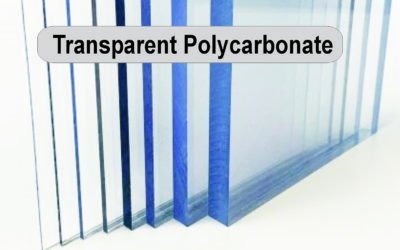
Tuffak® Polycarbonate and Optix® Acrylic (PMMA) are two very similar looking plastics. Both are often bought as transparent sheets with similar smooth glossy surfaces, and are often used as tougher and more impact resistant alternatives for glass in industrial and consumer applications. These two materials can be found in windows, viewing panels, protective barriers, eye-wear, display cabinets, and similar applications. However, polycarbonate and acrylic actually have very different physical properties and resulting applications. 

Polycarbonate: Industrial Grade Impact Resistance

Tuffak® Polycarbonate (manufactured by Plaskolite) is an amorphous thermoplastic material, meaning it has a low degree of crystallinity and a more random polymer chemical

Tuffak polycarbonate sheet for-riot shields, protection for police officers

High Impact – Break Resistant Tuffak Polycarbonate

structure. This gives the Tuffak Polycarbonate sheet plastic an interesting combination of physical and optical properties, such as transparency comparable to silicate glass and an exceptionally high impact and chemical resistance. 

Its exceptional impact resistance has made this particular material popular for manufacturing in  sheet form, a lot like sheet metal. It can be rolled, pressed, heated, and formed without cracking or breaking. Polycarbonate can be fabricated quickly and relatively inexpensively into shapes not possible with glass thanks to its chemical structure. 

Tuffak Polycarbonate is commonly used in protective applications, such as barriers and bullet-proof windows, ceiling panels, displays, and enclosures. Despite its impact resistance, polycarbonate tends to scratch easily, so it is not well-suited to displays and applications that require high aesthetics. 

OPTIX® Acrylic (PMMA): Durability on Display

Cast and Extruded Clear and Colored Acrylic sheets and rods

Quality American Made Acrylic Sheet

Acrylic, short for poly-methyl-methacrylate, (PMMA) can come in many forms, including a sheet material typically referred to as acrylic glass. Like polycarbonate, acrylic is an amorphous thermoplastic, though it features much better transparency. Tough and strong, yet acrylic impact resistance is not as high as that of polycarbonate. 

Optix® Acrylic (manufactured by Plaskolite) offers a higher tensile strength and UV resistance than polycarbonate, as well as much better optical characteristics. Acrylic is also easy to clean and maintain, and is generally pretty easy to fabricate, so long as it’s masked for protection during handling. This, combined with being less expensive has made acrylic common in display and consumer applications. 

There are many different applications for acrylic thanks to these properties, ranging from LEDs to displays to even consumer windows. Optix® Acrylic sheet can be found in shop displays and enclosures, ceiling skylights, media discs, and fiber optics, as the material is a lightweight and tougher alternative to glass. 

Looking for a trusted supplier of Tuffak® Polycarbonate, OPTIX® PMMA, and other Performance Plastic materials?

Industrial Plastic Supply, Inc. is one of the largest and most experienced plastic suppliers in the world, with a vast inventory of premium Plaskolite Acrylic and Tuffak Polycarbonate sheets. Our experienced and certified customer service team are available to assist you. Head over to our website to explore all of the materials that we carry and contact us today with any questions you may have, click here.

Exceptionally Versatile Plastic: Best Uses of PTFE Sheet

Exceptionally Versatile Plastic: Best Uses of PTFE Sheet

Why PTFE Sheet and PTFE Rod are growing

Polytetrafluoroethylene or as it’s better known ‘PTFE’ is a popular choice in hydraulics systems and components, being a non-stick surface and a highly durable material. However, since PTFE sheet and PTFE rod is made up of some of the strongest bonds in organic chemistry, this type of plastic has many different uses across a variety of industries.

Hydraulic Components and Sealing

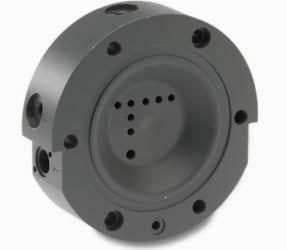
The most common use for PTFE is for parts used in seals, gaskets and steam valves that are used to handle caustic fluids. The durability of this plastic has made it popular for a variety of hydraulic fittings like these as well, especially seals used in steam and high temperature applications. The rating for continuous temperature is 500 degrees F, while maintaining physical properties. Virgin PTFE sheets and rods are also excellent materials for wear and slide machined parts found in pumps and manifolds, having a non-stick surface that won’t experience nearly as much wear and tear as other materials.

PTFE Sheet For Thermal Stability In Vehicle Engines

One of the major benefits of PTFE is its high thermal stability, which has made it popular for use in fuel hose linings, gaskets, seals, and other engine components. Its exceptionally long lifespan, high heat resistance and excellent water resistance makes PTFE an excellent choice for making parts such as wiper blades and other exterior components for vehicles.

High Resistance for Chemical Production and Processing

Virgin PTFE sheet and Rod in stock, ready to ship

Virgin PTFE sheet in wide range of thickness

PTFE Sheet and PTFE Rods are highly durable and corrosion resistant material, and so it has become a popular choice of material for a variety of chemical processing applications. It does not melt or erode under the extreme conditions often found in chemical plants, and can is often used to make components that transport corrosive chemicals and other materials.

Excellent Protection for Electronics

Another industry that often takes advantage of PTFE main benefits is in the electronics manufacturing. PTFE is commonly used for insulation, semiconductor components, and circuit boards. It offers high quality insulation properties even under harsh conditions, and its electrical conductivity can be increased using fillers such as copper. PTFE has been successfully used in a wide range of different electronics components for many applications, from automobiles to aircraft, where the more delicate electronics components need to be able to survive high temperatures or highly corrosive environments.

Looking for a supplier of high quality PTFE Sheet or Rod?

Industrial Plastic Supply, Inc. has been a trusted, worldwide supplier of quality performance plastics, including PTFE, since 1975, and we have one of the largest inventories of American made plastic materials in the world. Check out our website to view our full product directory or to contact us with any questions you may have.

Isn’t All Plastic Just A Cheap Material?

Isn’t All Plastic Just A Cheap Material?

We have all heard the upset consumer angry about the ‘Cheap Plastic’, normally about a thin plastic bag or water bottle that just broke during normal use.

“I thought ALL Plastic Was A Just That Cheap Material?”

We do hear this question regularly. And, maybe, in years gone by Plastic was that Cheap material.

Back in the 50′s and 60′s, plastics were very inexpensive, and were very limited in types, grades and availability.

What caused this to change?

Plastics are primarily produced from Oil and several Oil by-products. As oil pricing has skyrocketed from the 50′s, so did the low end plastic material pricing. This was the beginning of Performance Plastic Materials, which by definition are the opposite of ‘Single Use’

In addition, a new generation of high tech, mechanical and engineering grades of plastic we developed. These performance plastics replace metals and other substrates in manufacturing. They out live and out perform most materials at a fraction of the cost of the material it replaces. broke chair - I Thought Plastic Was A Cheap Material...

Isn’t Cheap better?

All materials are not designed to the same standard. This is true with plastics as well. Choosing the wrong plastic for a project can be a costly mistake. All engineering perimeters should be considered: strength, impact, sunlight, water absorption, electrical resistance, temperature range, etc. We’ve all witnessed the ‘cheap’ plastic kids toy that lasts but a couple of days, the clip or cover in your car breaks off, the inexpensive outdoor furniture and so on. These are examples of under designed or choosing a material for its resin cost, not its physical properties. Thus, no, cheaper is not better. Cost should be just one of your decision criteria. The overall ‘performance’ of the material you require will dictate the type, grade and overall cost of the material. We supply materials from very inexpensive to some that are very expensive. These price differences are based on the significant differences in many of today’s high performance plastic materials.

What Should You Do?

The answer is really quite easy. Ask.

Talk to one of our experienced ‘Plasticologists’ and tell them your requirements. You’re input, and a little time to answer some questions could save you enormous time and expense in your finished parts. All plastics are not created equal, and neither are all plastic suppliers. Give us a try, and take the guess-work out of choosing the right material for your job. Most Performance Plastic materials outlast other raw materials, even metals. Check the physical properties, and using the right material for the application, could mean your parts may last decades without needing maintenance or lubrication.

Some of our lower cost materials: HDPE, PVC, Styrene – are less expensive, but not cheap. Each with very specific strong points, and yes, weak areas as well. Contact us with any questions you may have about the best material for your project as ‘one size does not fit all’.

‘Cheap plastic’ is most likely not the best plastic for your application.

Ask Us, we are happy to guide you on your Performance Plastic Material search.

Everything You Need to Know About PTFE

Everything You Need to Know About PTFE

PTFE is an incredibly popular type of plastic material, with widespread use and many different applications. Though its popularity has waned–and its applications changed along with how this particular material is developed–PTFE is still an excellent choice of material for industrial equipment and electronic parts. 

What is PTFE?

PTFE is well-known for its non-stick properties and also known for being incredibly easy to machine and fabricate, and thus has been used extensively in industrial and electrical applications, especially for bearings, seals, valves, and fittings. 

The Properties of PTFE

PTFE and the family of Fluoropolymers have many excellent physical properties that are not just for high temperature and chemical applications, but many others as well.

The basic properties of PTFE include:ptfe thread sealant tape

  • Slippery and Non-stick surface regardless of rod or sheet form
  • Excellent Wear and Superior Chemical Resistance
  • Continuous Operating Temperatures up to 500oF
  • ITAR and RoHS compliance

At Industrial Plastic Supply, we also stock and supply a massive range of PTFE in many different sizes and shapes, including extruded rod, molded rod, thin sheet, thin and thick plate, and film. We can also mold PTFE tubing according to specific customer specifications. 

The Applications of PTFE

PTFE has seen wide use in a variety of parts and equipment, especially in industrial applications, electronics, aircraft systems, chemical processing equipment, and hydraulics. Typically, this type of material is used in the making of seals, gaskets, stem valves, wear and slide-machined parts, various fixtures, manifolds and pump components, and high temperature steam seals. It’s most often the choice of material for caustic fluid handling valves and fittings. 

Key advantages of PTFE:

  • Very high temperature resistance
  • Exceptional Chemical Resistance
  • Very low surface tension 
  • PTFE is ITAR and RoHS compliant
  • Excellent for gaskets and seals

Virgin PTFE material is used frequently as a bearing or non-stick surface. It is an excellent choice for caustic fluid handling valves and fitting. Massive size range in  extruded rod, molded rod, tubular bar and thin sheet, plate and film. PTFE is also known as: Fluon®, Diakin®, Flouroplastic®, Fluoropolymer®, Neoflon®, Polyfon®, Chemfluor®, and more. PTFE plate, sheets, rods, strip, slab, block and tubes are normal stock items.

Other Fluorocarbon Based Materials We Supply in Sheet, Plate and Round Rod: FEP – Fluorinated Ethylene Propylene; PVDF – Poly Vinylidene Difluoride  (Kynar®, Tecaflon®, Sustatec® and more); ETFE – Polyethylenetetrafluoroethylene (Tefzel®); ECTFE – Ethylene Chlorotrifluoroethylene; PFA – Perfluoroalkoxy; PCTFE – Polychlorotrifluoroethylene (formerly KEL-F® or Neoflon®). Compare to other high performance plastics, like: Ultem® 1000, PVDF (Kynar®) or Ultem® 2300.