PTFE is an incredibly popular type of plastic material, with widespread use and many different applications. Though its popularity has waned–and its applications changed along with how this particular material is developed–PTFE is still an excellent choice of material for industrial equipment and electronic parts.
What is PTFE?
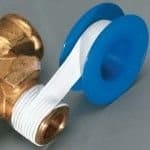
PTFE is well-known for its non-stick properties and also known for being incredibly easy to machine and fabricate, and thus has been used extensively in industrial and electrical applications, especially for bearings, seals, valves, and fittings.
The Properties of PTFE
PTFE and the family of Fluoropolymers have many excellent physical properties that are not just for high temperature and chemical applications, but many others as well.
The basic properties of PTFE include:
Slippery and Non-stick surface regardless of rod or sheet form
Excellent Wear and Superior Chemical Resistance
Continuous Operating Temperatures up to 500oF
ITAR and RoHS compliance
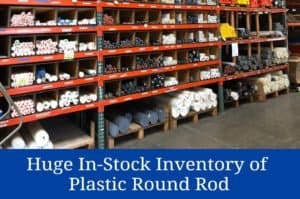
At Industrial Plastic Supply, we also stock and supply a massive range of PTFE in many different sizes and shapes, including extruded rod, molded rod, thin sheet, thin and thick plate, and film. We can also mold PTFE tubing according to specific customer specifications.
The Applications of PTFE
PTFE has seen wide use in a variety of parts and equipment, especially in industrial applications, electronics, aircraft systems, chemical processing equipment, and hydraulics. Typically, this type of material is used in the making of seals, gaskets, stem valves, wear and slide-machined parts, various fixtures, manifolds and pump components, and high temperature steam seals. It’s most often the choice of material for caustic fluid handling valves and fittings.
Key advantages of PTFE:
Very high temperature resistance
Exceptional Chemical Resistance
Very low surface tension
PTFE is ITAR and RoHS compliant
Excellent for gaskets and seals
Virgin PTFE material is used frequently as a bearing or non-stick surface. It is an excellent choice for caustic fluid handling valves and fitting. Massive size range in extruded rod, molded rod, tubular bar and thin sheet, plate and film. PTFE is also known as: Fluon®, Diakin®, Flouroplastic®, Fluoropolymer®, Neoflon®, Polyfon®, Chemfluor®, and more. PTFE plate, sheets, rods, strip, slab, block and tubes are normal stock items.
Other Fluorocarbon Based Materials We Supply in Sheet, Plate and Round Rod: FEP – Fluorinated Ethylene Propylene; PVDF – Poly Vinylidene Difluoride (Kynar®, Tecaflon®, Sustatec® and more); ETFE – Polyethylenetetrafluoroethylene (Tefzel®); ECTFE – Ethylene Chlorotrifluoroethylene; PFA – Perfluoroalkoxy; PCTFE – Polychlorotrifluoroethylene (formerly KEL-F® or Neoflon®). Compare to other high performance plastics, like: Ultem® 1000, PVDF (Kynar®) or Ultem® 2300.
Keeping food safe is a major concern at busy restaurants which is why many use Food Safe HDPE. One key is to keep the kitchen and all surfaces clean and sanitized. This includes all employees washing hands regularly, cleaning all surfaces and having food safe cutting stations. At the hub of all the food preparation is the cutting surfaces used to cut food. NSF and FDA have guidelines for keeping food preparation areas clean, and one main component is the cutting board. At home, most people cut some food for dinner and then scrub the cutting board they used before putting it away. In busy restaurants the cutting boards are used constantly throughout the day. During the slow times, kitchen staff takes time to clean. Industrial Plastic Supply, Inc. is proud to supply the premium certified HDPE materials designed for restaurant cutting surfaces.
Choose The Proper Cutting Board Material
It is critical to keep hot food safe, and to maintain a clean kitchen. We provide a wide range of sizes, shapes and can include a waste cutout to match your needs. Choosing Food Safe HDPE in our popular cutting board materials are .500 (1/2″) and 1.00″ thick certified HDPE sheet material. We stock this in smooth and textured 2 sided. We also stock the colored cutting board that some restaurants prefer; these include: Yellow (used for chicken), Red (for red meat), Green (for produce) and Tan (for cooked meats). For busy kitchens we offer a auto-replacement program, so you can receive the cutting board replacements on your schedule.
American Made – Quality Food Safe HDPE Materials
Our team of suppliers produce high quality performance plastics in a wide range of materials. The HDPE is produced under the trade names: Polystone® Natural by Rochling; King CuttingBoard® by King Plastics; Densetec® HDPE by Polymer Industries; and others.
We have been supporting SoCal restaurants with top quality food grade cutting boards for over 50 years. Contact us today with your requirements, and we will be happy to help you to keep your kitchen cutting board in great shape.
In a previous post, we explored the advantages of Sabic Ultem™, the trademarked name for a special type of high-performance plastic that is often the go-to choice for any industry in need of exceptional physical properties in a thermoplastic. With Ultem™ polyetherimide resins, this type of plastic can retain its mechanical properties even at extremely high temperatures, which is especially important in applications that require good structural integrity under harsh conditions–aerospace and automotive applications for example.
Why is ULTEM™ so popular?
This material is known for its excellent mechanical properties, dimensional stability, as well as chemical and temperature resistance. Because of these properties, Ultem™ has been used widely and with success in many different industries, such as aerospace, automotive, consumer goods, medical equipment, electronics, and industrial equipment. There are, however, a few disadvantages to keep in mind when deciding whether or not to use Ultem™ for your manufacturing project.
Sabic Ultem 1000 and 2300 sheet and rod
A few disadvantages of using ULTEM™
Also, the polyetherimide thermoplastic can be vulnerable to stress cracking if exposed to polar chlorinated solvents. This can restrict its use in certain applications.
In addition, while Ultem™ is a very high performance thermoplastic, it does tend to be more expensive compared to similar materials and can be difficult to process due to its high melting point and viscosity. For optimal results, you may need to use specialized equipment or work with someone specialized in working with this thermoplastic, which could drive up production costs even more. If the material is not properly controlled during manufacturing, Ultem™ plastic parts can experience surface defects or cracks as well as dimensional instability. If large amounts of material are removed during machining, parts should be annealed after production to prevent warp and twist. Proper quality control needs to be in place to avoid these problems.
Looking for a supplier of high performance thermoplastics?
Industrial Plastic Supply, Inc. has been supplying performance plastic sheet, rod, and tube since 1975, and specializes in wholesale Engineering Plastics, Mechanical Plastics, and High Performance Plastics for a wide range of industries. Check out our website to learn more!
Industrial Plastic Supply has a large inventory of performance plastic materials to offer, each with its own unique advantages and applications. In this article, we feature one of the many quality performance plastics that we supply, Sabic ULTEM™ sheet and rod.
Sabic ULTEM® is the brand name for the thermoplastic polyetherimide (PEI), this unique commercially available resin has the ability to retain mechanical integrity even at extremely high temperatures. There are various types of this thermoplastic available, based on their formulation and the particular strength and resistance requirements of the end use it will serve. The most common is the virgin unfilled ULTEM™ 1000 sheet and rod. Our second most common version is 30% Glass Filled ULTEM™ Sheet and Rod, also known as ULTEM™ 2300.
Excellent Stability
The main advantage of ULTEM™ is its dimensional stability and strength, even when the material is exposed to extremely high operating temperatures. The Sabic ULTEM material is incredibly rigid and dimensionally stable as well, with better physical properties compared to similar performance plastic materials like Acetal or Nylon. It has excellent tensile strength and flexural strength, and is especially popular for applications that require plastics with improved stiffness and/or electrical properties.
Machined ULTEM 1000 rod
Broad Chemical Resistance
PEI/ULTEM™, regardless of which grade is used, has exceptional resistance to a wide range of chemicals, including the fats and oils found in foods, alcohols, acids, service fluids for various vehicles, and those found in the medical and pharmaceutical industries. Its resistance to such a wide range of chemicals has made this plastic popular for use in reusable machined components in Medical Equipment manufacturing and Pharmaceuticals, as well as in commercial Aerospace applications. The Ultem – PEI material is produced into sheet and rod by a variety of Performance Plastic manufacturers under trade names, including: Tecapei®, Unitem®, Tempalux®, Sustatec®, Mechetec® PEI, and others.
Wide-ranging compliance
PEI / ULTEM™ is one of the few thermoplastics that can meet several of the strictest quality and performance standards in the world. It is FDA/USDA and USP class VI compliant. The thermoplastic is also ITAR compliant for use in firearms applications as well as RoHS compliant for use in electrical equipment. In addition to being resistant to many different chemicals, Sabic ULTEM™ is also highly flame resistant, which has made it very useful in various parts of the commercial aerospace market. This high performance plastic material also is available with factory lot and batch certification from this ISO-9001 certified supplier.
Looking for a quality supplier of ULTEM™ and other thermoplastics?
Industrial Plastic Supply has been in the business of plastics since 1975, specializing in the wholesale engineering, mechanical, and high-performance plastics for any industry.
For more information about this or any other performance plastic material, please check out our website today.
Why Buying Local Is Important For Performance Plastic Sheet
One of the latest trends across many different industries has been the push for supporting local businesses, especially with the events of the pandemic a few years ago. However, this isn’t just a trend – choosing to source your plastic from a local plastic sheet supplier is also an excellent and beneficial economic opportunity. There are plenty of advantages to why you should buy your plastic sheets from a local supplier.
Less waste in time, money, and resources
Choosing to source your plastic from a local supplier means that you not only will support the local economy, but you also often get to bypass many of the expenses associated with importing and exporting international goods. In addition, there are fewer transportation costs, with a local supplier being closer geographically than another supplier might be.
A closer geographical location to you also means that you’ll receive much shorter lead times on your quotes. With less distance to travel, you can receive your plastic sheets much more quickly than if you don’t source them locally.
Buying Local Help Improved Environmental Impact
With reduced transportation comes less environmental impact. This doesn’t just mean less harmful emissions into the atmosphere, but also less use of resources, especially nonrenewable ones like fuel. Less fuel consumption doesn’t just promote the efficient use of resources–it also tends to lead to lower transportation costs as well! Shorter distance–less costs and a smaller carbon footprint.
Better Control over Product and Quality
Often, local plastic suppliers provide much better product quality and customer service, because they take the time to understand the needs and preferences of their customers. The proximity of choosing a local supplier also helps to ensure a timely delivery, reducing the potential for disruptions on your project. They’ll also likely be more available and efficient when serving local customers, able to offer quicker lead times based on the shorter geographical distance.
This insures the best quality materials and timely replenishment of popular items.
Looking for an expert plastic sheet supplier?
Industrial Plastic Supply has been in the business since 1975, located right in the heart of Orange County, CA. Check out our website to see our line of performance plastic materials.
Best Methods for Choosing a Quality Performance Plastic Sheet and Rod Supplier
Quality Performance Plastic Sheet
Finding a Quality Performance Plastic Sheet supplier might seem like a monumental task with all the different suppliers out there – but there are a few ways that you can narrow down your choices.
Here are five key factors to consider when you’re looking for a quality supplier of plastic sheets.
1) Where do they source their Quality Performance Plastic Sheet?
With dozens of manufacturers through out North America, and many more in far off lands, it is important to know who makes your Performance Plastic materials. Material sources from North America have been considered the premier quality in Performance Plastic materials. Not only is the quality of extruded or molded sheets and rods important, but also the long process of secondary annealing. This removes residual stress from the material, and this will produce a better finished part with reduced warp and twist, and even eliminating center-line cracking. Not only should the materials look good, they must machine well without cracking. Quality matters.
2) Do they carry what you need?
This might seem straightforward, but it is one of the most important things to keep in mind, especially if you’re looking for large-scale products or highly specialized resins. Often, different plastic suppliers will specialize in resins with similar end uses as well, so it’s important that you find one that understands the requirements of your particular industry. Many suppliers are actually ‘brokers’ and don’t really have a warehouse with material ‘in stock’. Look for a supplier that has a wide variety of quality performance plastics in stock and ready for you to pick up.
3) Do they meet your quality standards?
Many plastic suppliers have to meet particular certifications and regulatory compliance standards, especially if they want to maintain a professional and accurate business. The bare minimum for a quality plastic sheet supplier is an updated ISO 9001 quality management system and ITAR compliance, but there are several other standards and material certifications available as well, such as ANSI and RoHS compliance, which ensure that the supplier does not sell or consume unethical products in the course of their business. Are the customer service staff members certified by an outside agency?
4) Don’t forget communication and customer service
Good communication is important in any supplier-customer relationship. A quality Quality Performance Plastic Sheet supplier will communicate professionally and quickly with you, and they will be transparent about their products, quality certifications and compliance, and their capabilities. Many suppliers have reviews or testimonials on their websites that you can read to get a better idea of their service–or you can contact them directly as well. The best customer service companies have trained staff, in the plastic industry one of the keys to a trained staff would be are they IAPD (International Association of Plastic Distribution) certified?
5) Balance quality and price
With all of the Quality Performance Plastic Sheet suppliers out there, it’s important to find one that not only meets your standards of quality, but also offers you competitive pricing. Balancing the quality of the material you receive with the budget set out for it is an important task when choosing a plastic supplier. Sourcing all High Performance Plastic materials from North American manufactures helps to insure quality products, and at a competitive price. While not the cheapest, the quality of North American Performance Plastic is second to none!
Choose Industrial Plastic Supply, Inc. for your Performance Plastic needs
If you are looking for a quality plastic sheet supplier, then you should consider Industrial Plastic Supply, Inc. We have been in the business since 1975 and maintain a vast and varied inventory of performance plastic materials, all sourced from North American Manufacturers, and are proud of our trained customer service staff – all IAPD certified.
Quality Performance Plastic Sheet – American Made
Industrial Plastic Supply, Inc. also Check out our website to learn more.
HDPE vs UHMW: When to Use High-Density Polyethylene
HDPE and UHMW are popular and well known types of plastics across many different industries for their reliability, so much so that many people have started to use them interchangeably. However, their uses don’t coincide nearly as often as many think–HDPE has different qualities that lend well to different applications. While both materials are very light, with a density of .94 – which means they both float in water.
When best to use HDPE
High-Density Polyethylene or HDPE is known for its versatility and low moisture absorption, which result from its high-density chemical makeup. Its chemical composition also makes it highly chemical resistant, so it’s excellent for applications that involve moisture or mild chemicals.
HDPE is also very easy to machine and shape. As a result, it has been used successfully to make plastic lumber, milk jugs, containers, cutting boards, and many other products.
In addition to being easy to machine, HDPE sheet and rod are also relatively lightweight, and can be NSF and FDA compliant. This very durable material can not be glued or bonded, and thus must be heat welded together or attached with mechanical fasteners. HDPE is excellent for applications where reduced weight and low costs are paramount. This, combined with its easy machinability, allows HDPE to be cut, drilled, routed and shaped for many different end uses. Food cutting boards, piping, storage vessels, marine components, and many more benefit from HDPE. It’s also been successful in outdoor furniture, signage, playground equipment, structural tanks, food processing equipment, vacuum-formed parts, transfer boards, tank liners–and this is just a small number of its applications.
When not to use HDPE Sheet
While HDPE and UHMW have similar properties, they are often better suited to different tasks. Both plastics do have high impact resistance, but UHMW Sheet (Ultra-High Molecular Weight Polyethylene) performs better in applications where friction and constant impact are present. The UHMW molecular chain is much longer, thus giving UHMW the extreme wear resistance. This results in UHMW being used more often in functional components, like conveyor systems, concrete chute liners, mated parts, bumpers, and bearing applications. HDPE does not perform as well as UHMW sheet under constant friction, making HDPE sheet materials better for food processing surfaces, chemical resistant parts, decorative products, or components that will not experience constant friction. If a reduced friction application is needed, the use of UHMW sheet with a coefficient of friction of just 0.08 (compared to HDPE with a coefficient of friction of 0.20) is much more suitable.
Find all your performance plastics at Industrial Plastic Supply
We are performance plastics experts, with a vast inventory available and the most experienced customer service team to offer our customers. Contact us today for more information about what we can do for you.
HDPE or High-Density Polyethylene is part of a widely-used family of thermoplastics, HDPE ‘Polyolefin’, which is produced through polymerizing ethylene and propylene for properties that are excellent in applications such as food handling, food preparation equipment, wear resistance, consumer goods, and much more.
Why this thermoplastic is so popular
HDPE is known for its excellent strength-to-density ratio, as well as its strong intermolecular forces, high impact and tensile strength. These properties combine for a hard, durable plastic that is excellent for many applications from containers for consumer goods to chemical and structural tanks components. At the same time, HDPE is lightweight and highly resistant to stains, odor, moisture, chemicals, and abrasion. Most importantly, HDPE doesn’t contain harsh or toxic chemicals that could be harmful to users, making it excellent for a wide variety of consumer and commercial products. Specifically, HDPE (High-Density Polyethylene) does notcontain: BPA, Phthalates, Allergens, Heavy Metals or Harmful fumes.
High-Density Polyethylene has excellent wear and chemical resistance. HDPE is a commonly used material for rub strips, chute liners and bottling plant components. An example of wear resistance is the yellow plastic playground slides which are made of HDPE. This versatile plastic material is often the choice for use for chemical and toxic containers and bottles.
The HDPE material is the common material used to make the one gallon milk jugs. These are easily recycled, and 8 – 10 milk jugs is equal to about one pound of recycled HDPE material. On average, over 115 million milk jugs are recycled each year.
Some common uses of High-Density Polyethylene
HDPE is FDA, USDA, and NSF compliant, making it especially popular for making components such as cutting boards, food preparation surfaces and equipment components. HDPE is often used in a wide range of food processing equipment, food containers and bottles, as well as valve and pump components. However, the Food processing industry isn’t the only industry relying on HDPE. Its excellent impact strength makes this plastic popular for everything from impact parts to dasher boards in ice rinks, to personal protection gear.
In addition, HDPE has excellent properties that make it perfect for heat-formed or vacuum-formed parts, producing food trays and containers and much more. The plastic’s durability and impact resistance makes it an excellent choice for the linings of conventional freezers, bed liners for heavy trucks, and liners in silos. The marine industry is an active user of HDPE due to its toughness and very lightweight to size ratio.
As one of the most used plastics, HDPE has a density of just .941 – .965 per ASTM D792. While many think of Aluminum as a lightweight material, it actually is 2.8 times the weight of HDPE plastic material.
HDPE also has been successfully used in a variety of cement molds and various types of transfer and storage boards. This plastic can be found in crates and bottles for holding not just food products, but also detergents and cosmetics. Industrial pallet wrapping benefits from HDPE film durability, while petrol tanks benefit from this plastic’s inherent chemical resistance.
Looking for a supplier of High-Density Polyethylene thermoplastics?
Industrial Plastic Supply, Inc. is an expert in performance plastics, and has one of the largest material inventories in the World. To learn more, check out full line Performance Plastic materials on our website.
Acetal Copolymer vs Dupont Delrin® Homopolymer: Properties and Benefits of Each
Industrial Plastic Supply, Inc. has been supplying a vast inventory of plastics to a wide customer base since 1975. Today, we put the spotlight on two products that are incredibly similar, but have key differences that result in each performing optimally in certain applications: the Acetal Copolymer and the Delrin® Homopolymer.
Both of these acetal plastic materials are incredibly similar, with similar beneficial properties. They are both compliant with FDA, ITAR, and RoHS standards. Both are very stiff plastics with excellent dimensional stability in average environments. They are self-lubricating, easy to cut with standard tools, and abrasion and wear resistant. The major differences between them however are a result of their differing structures.
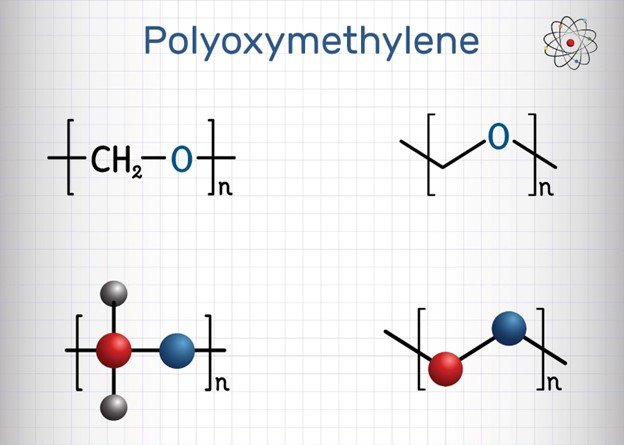
What Is Polyoxymethylene
Polyoxymethylene (also known as POM for short) is an important and commonly used engineering plastic material. There are two distinct types of POM; the first is Homopolymer Acetal plastic and is commonly called TJC LP Delrin® (formerly Dupont Delrin®). The other is Copolymer Acetal and is referred to by the trade names Celcon®, Sustarin® C, Tecaform®, Ultraform®, Kepital® acetal plastic and many others. Both versions of POM are very popular thermoplastic materials. They both are commonly used for parts that need to be stiff, dimensionally stable and have low surface friction.
The homopolymer possesses much more regularity in its structure, with a repeated, crystalline pattern throughout the plastic. As a result of its strong, crystalline makeup, the TJC LP Delrin® Homopolymer has superior physical properties, such as better fatigue and creep resistance, and bearing properties. Also, it has better short-term heat resistance compared to the acetal copolymer, with a much higher melting point.
However, this homopolymer does experience minor and inherent center-line porosity. This is basically a band area of tiny porous holes along the center of a rod or sheet. Depending on the severity of the porosity, these holes could weaken a finished part or cause other problems with its performance.
Acetal Copolymer
We’ve found that our customers tend to gravitate towards the acetal copolymer when they require a wider processing window, lower costs, and better long-term resistance to heat and alkaline environments. The acetal copolymer is not as crystalline in its structure, which causes it to not only have a generally lower melting point, but when incorporated with other materials, also increases the tolerance for high melting temperatures.
The less crystalline structure of the copolymer means that this plastic isn’t quite as strong. However, its mixed molecular structure has several benefits. The acetal copolymer has improved resistance to oxidation, improved chemical resistance, and much better long-term resistance to heat. That difference in chemical resistance is much more pronounced with exposure to hot water, especially chlorinated water. The acetal copolymer (polyacetal delrin) survives much longer than the homopolymer in these conditions.
Final Thoughts
Both the Acetal Copolymer and the TJC LP Delrin® Homopolymer have their benefits. Depending on your application and requirements, you can choose the best acetal plastic for your needs. In need of a local plastic distributors or plastic suppliers of plastics and plastic materials, or plastic distributors near me (plastic companies near me)? Check out the best ‘plastic supplier near me’, and 50 years experience at Industrial Plastic Supply today!
High Standards And Procurement From Reliable U.S. Manufacturers
Industrial Plastic Supply Inc. is ISO-9001:2015 certified. This benefits our customers since this certification communicates that we take quality and consistency seriously. We distinguish ourselves by providing Acetal Copolymer rods and sheets of exceptional quality over and over again so customers don’t have to wonder what they are getting when they do business with us.
American sourcing is another point of pride. In a time of global trade, a distributor may choose to do business with suppliers outside the U.S.. However, we believe that American quality and standards are top of the line. As such, our Acetal Copolymer is sourced from U.S. manufacturers. Our business partners – customers and vendors alike – can take pride knowing that their investments and dealings with Industrial Plastic Supply benefits U.S. customers, employees, and communities.
U.S. Sourcing Advantage
The benefit to customers in sourcing plastic from U.S. producers is more than patriotic or sentimental. Fact is, supply chains are more delicate than many of us imagine. Whether due to natural disasters, materials shortages, or politics, supply chains can fray and even snap. When that happens, price predictability and long-term supply/shipping agreements are thrown into disarray. Customers don’t want to hear excuses and “maybes” after they have signed contracts, paid money, and anticipate Acetal Copolymer products.
We pride ourselves on stocking and providing quality North American made Acetal Copolymer produced under the trade names: Tecaform® AH, Sustarin® C and ZL® 900. Each of these quality brand names are widely known for exceptional quality, consistency and durability.
Why Acetal Copolymer Is A Good Investment
Acetal Copolymer Performance Plastic
Acetal Copolymer is FDA compliant, opening up its use for food processing and packaging. The material is also stiff, resilient, and abrasion-resistant to a very high degree. Industrial Plastic Supply provides Acetal Copolymer materials in natural (white), black, and blue. Its stiffness and ability to hold shape under harsh conditions means that Acetal Copolymer sheets and rods can be shaped with standard cutting tools. This quality Copolymer Acetal material is FDA and NSF approved.
There are several special grades of Acetal that are formulated for tough food processing applications. Acetal Copolymer is available in a food grade blue for optical detection during food processing. This eliminates broken parts from getting into finished food products. There are also ultra detectable grades that are visual, x-ray and metal detectable for high end food processing applications. Contact us for more information on these special materials.
Automotive, Aerospace, and Medical Use
This plastic has exceptional ability to hold shape under stress, making it an excellent product in automotive and aerospace hardware. Gears, rollers, fuel lines, pumps and medical equipment all make use of Acetal Copolymer. However, care must be taken that the Acetal Copolymer is not exposed to temperatures above roughly 230 Fahrenheit (110 Celsius).
Safety Considerations
There are several factors to keep in mind when handling Acetal Copolymer:
Upon intense heating, Acetal Copolymer releases formaldehyde and carbon monoxide.
If machining or grinding, small Acetal Copolymer dust particles pose an inhalation and explosion hazard.
Prolonged exposure to UV light degrades Acetal Copolymer exposed surfaces and may change physical resilience.
Therefore, proper procedures must be taken when handling and machining this material. This is something Industrial Plastic Supply Inc. takes very seriously, not just for compliance reasons but also for the health and well being of our employees, customers, and ultimately the end-users.
Contact Industrial Plastic Supply for Acetal Copolymer
Industrial Plastic Supply Inc. is proud to be a distributor of Acetal Copolymer and other polymers. Contact us today for a quote and details about products, delivery, prices, and more. Call us @ 866-832-9315